How a Content Strategist Plans a Quarter with Atypica
Alex Morgan leads content strategy at NovaCRM, a Series B B2B SaaS company selling RevOps software to mid-market sales teams.
The buying cycle is long, deals are complex, and most prospects spend weeks reading before ever talking to sales.
That makes content one of NovaCRM’s most important growth levers.
Alex’s responsibility isn’t publishing more—it’s deciding what the company should talk about for an entire quarter. Once that decision is made, dozens of posts, campaigns, and internal assets follow. Changing direction later is expensive.
The Painpoint in Quarterly Planning
At the start of Q3 planning, Alex is flooded with ideas: Pipeline visibility, AI automation, Sales productivity, Forecast accuracy...
Each topic has internal supporters. Each can be justified.
The real risk isn’t choosing a bad topic.
It’s choosing a topic that sounds important but doesn’t reflect how RevOps leaders actually think and decide.
That’s where Alex changes the process.
AI Interview-Replacing Assumptions with Real Conversations
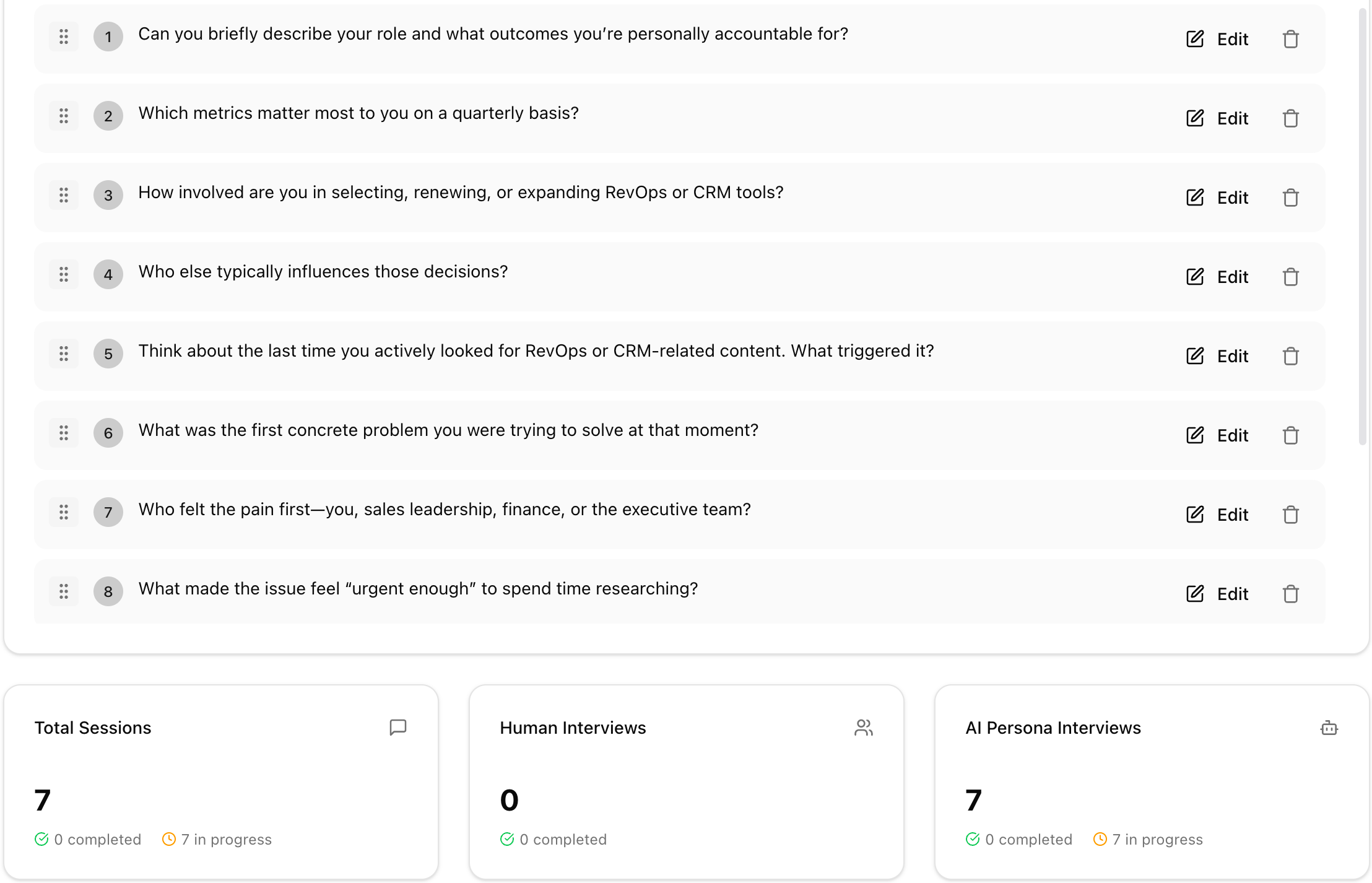
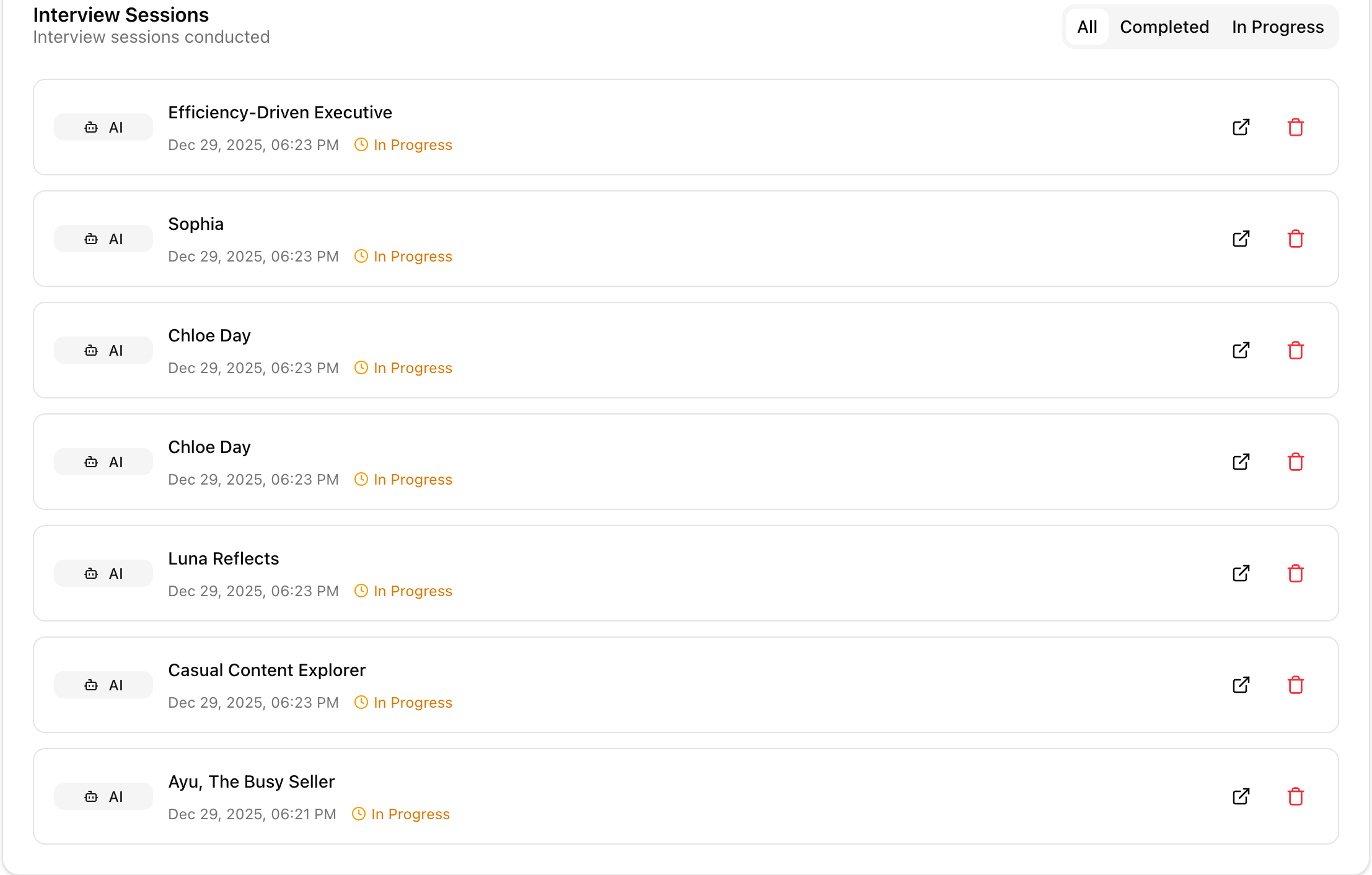
Before touching themes or headlines, Alex uses AI Interview in atypica.ai to run structured interviews with RevOps leaders.
Not surveys.
Not generic questionnaires.
The interviews focus on one thing:
how these leaders describe their biggest pressures when evaluating CRM tools.
Within hours, patterns start to emerge:
“Automation” comes up often—but casually
“Forecast accuracy” is described with tension, frustration, and internal blame
Several problems Alex assumed were top-of-mind barely appear at all
This immediately narrows the field.
Instead of planning around what the company wants to say, Alex now has a clear view of what the audience is actually wrestling with.
Quarterly planning no longer starts with ideas.
It starts with evidence.
AI Research-Turning Interview Data into a Clear Direction
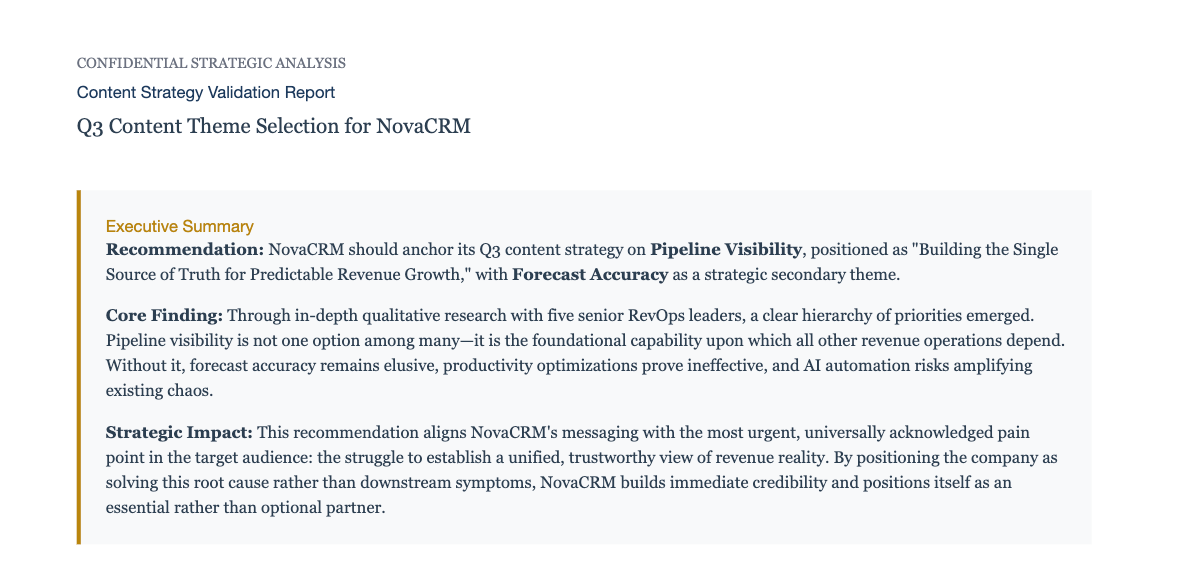
Alex uploads the interview results into Atypica’s AI Research.
The output isn’t a brainstorm list.
It’s a structured breakdown:
which problems recur across interviews
where emotional weight clusters
which concerns influence buying decisions versus casual interest
One conclusion stands out.
RevOps leaders don’t distrust CRMs because of missing features.
They distrust them because forecasts don’t survive internal scrutiny.
That insight becomes the anchor for Q3:
why revenue teams struggle to trust their forecasts—and what that breaks downstream.
Other themes don’t disappear, but they now serve this central narrative.
AI Personas-Pressure-Testing the Narrative Before Lock-In
Before finalizing the plan, Alex drafts two framing options for the quarter.
One frames the issue as a technology problem.
The other frames it as an organizational trust problem.
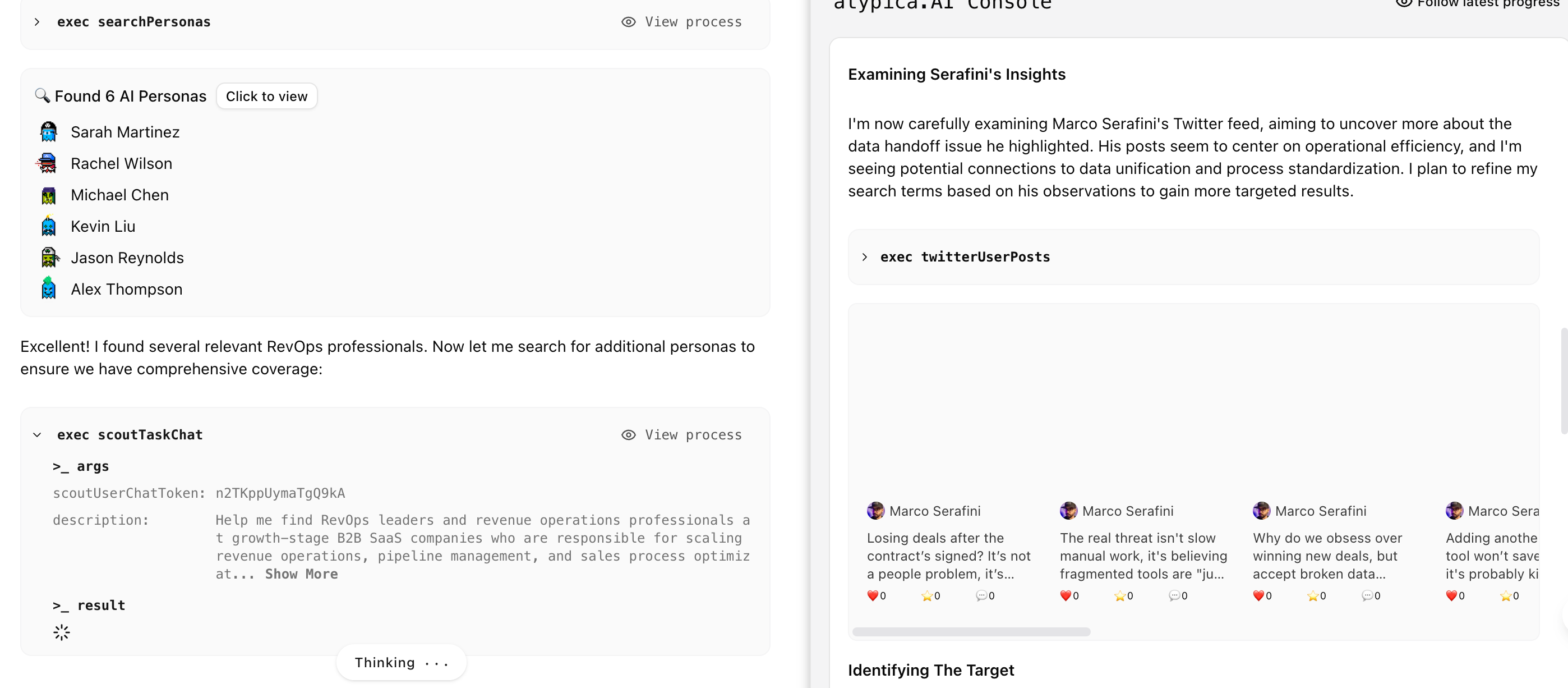
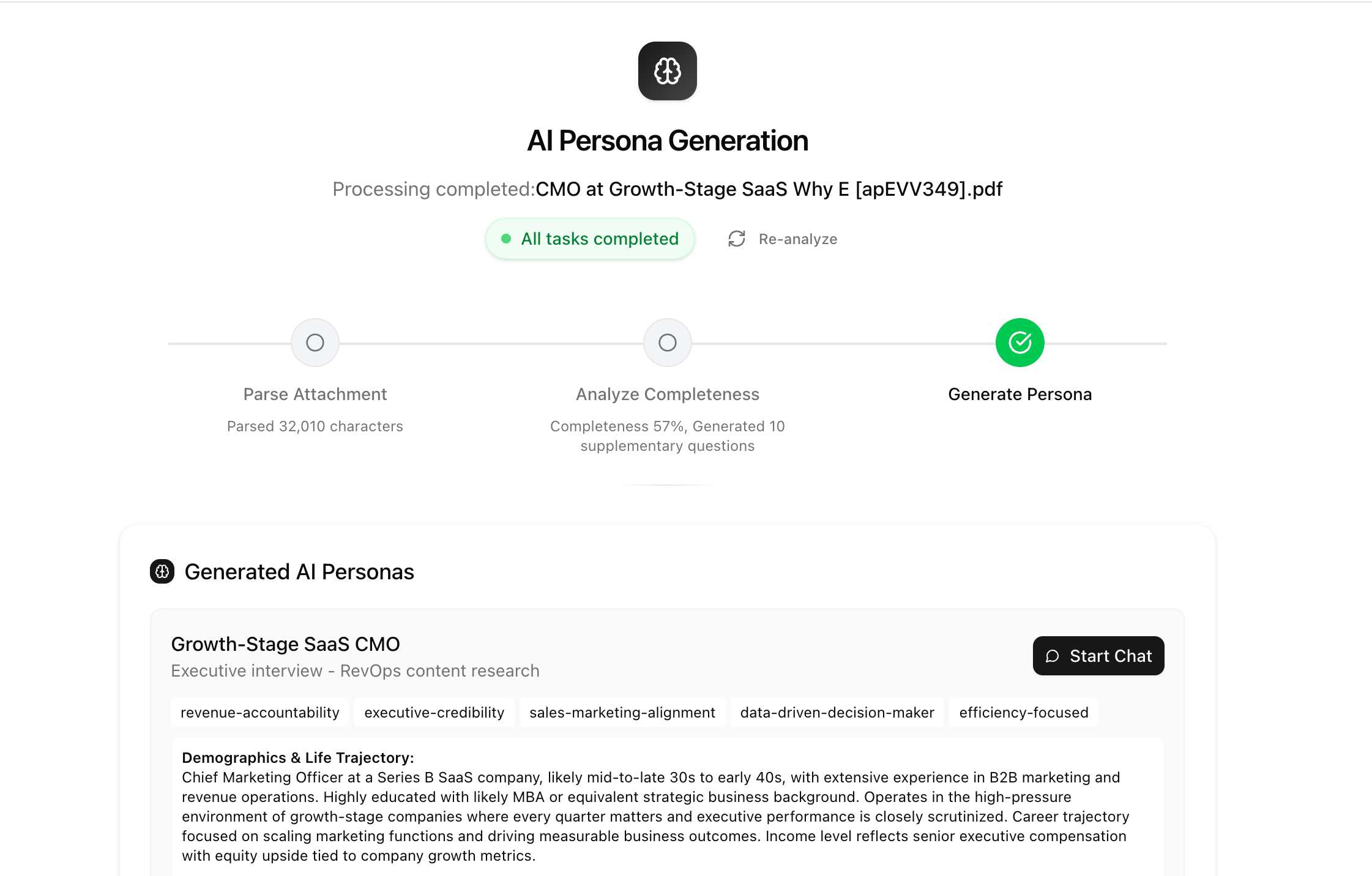
Instead of debating internally, Alex runs both through AI Personas built from the interview records.
The response is consistent:
the Technology framing feels generic
the trust framing matches how RevOps leaders already talk about their work
This step doesn’t predict performance.
It removes blind spots before commitment.
The quarterly narrative is locked with confidence, not consensus.
Making Insight Useful Beyond Content
The work doesn’t end with planning.
Alex generates an AI Podcast version of the findings and shares it internally.
Sales uses it to align discovery conversations.
Product references it during roadmap discussions.
One research effort now supports multiple teams.
The content plan stops being just a calendar—it becomes shared context.
What Actually Changed
Alex still owns the outcome of the quarter.
But planning no longer feels like a guess disguised as strategy.
Instead of choosing topics that sound right, Alex commits to themes that reflect how the audience actually thinks, feels, and decides—before a single post is published.
That shift is what makes the work scalable.
👉Try Atypica.AI Free - Create your first AI research report today